A Dwarf Life
A 3D incremental game where dwarves dig a goldmine for their village. Two years of work, a game that never launched, and many lessons about in-game shops and virtual currencies.
In-app purchases, designing a free-to-play game, running an in-game shop, and the never-ending trade-off between work for hire and creating your own IP: here is what A Dwarf Life taught us.
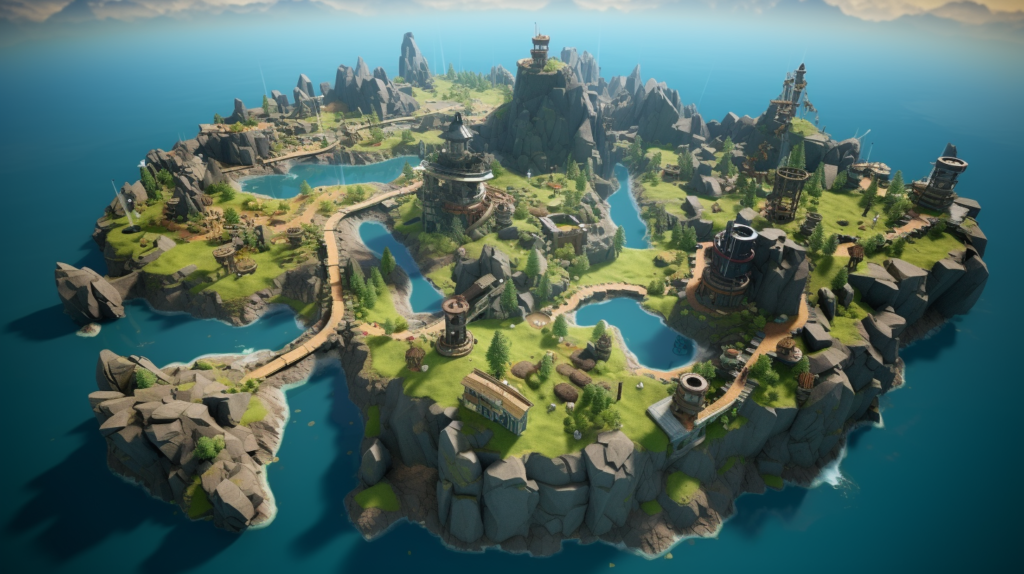
From a few words, an AI produced the image above, and it looks a lot like the game’s island. Compare for yourself at the end of this post.
Work for hire or IP creation?
It all started in early summer 2015, as a small test of in-app purchases. By the end of that summer, the project was already shelved for client work. After three months of full-time work, in early 2016, the game had come a long way but was not ready, and it was paused again for about a year.
Work for hire drains the energy you would like to put into your own IP, and the right balance is hard to strike. Experienced studios often split their teams, or pick one path. Meanwhile, the studio grew from 4 or 5 people to 12 or 15.
A year later, we had built building blocks shared by all our games: a persistent data system, a move from the Unibill plugin to Unity IAP, Unity Ads in 2016, all on Unity 5.5. In 2023, the ad network was replaced by ironSource’s Level Play.
By late summer 2017, the Android and iOS builds existed, but bugs remained and the launch marketing still had to be done. The next six months would decide the studio’s future. After two years, our first 3D incremental game never launched. Its lessons are worth sharing.
The incremental formula
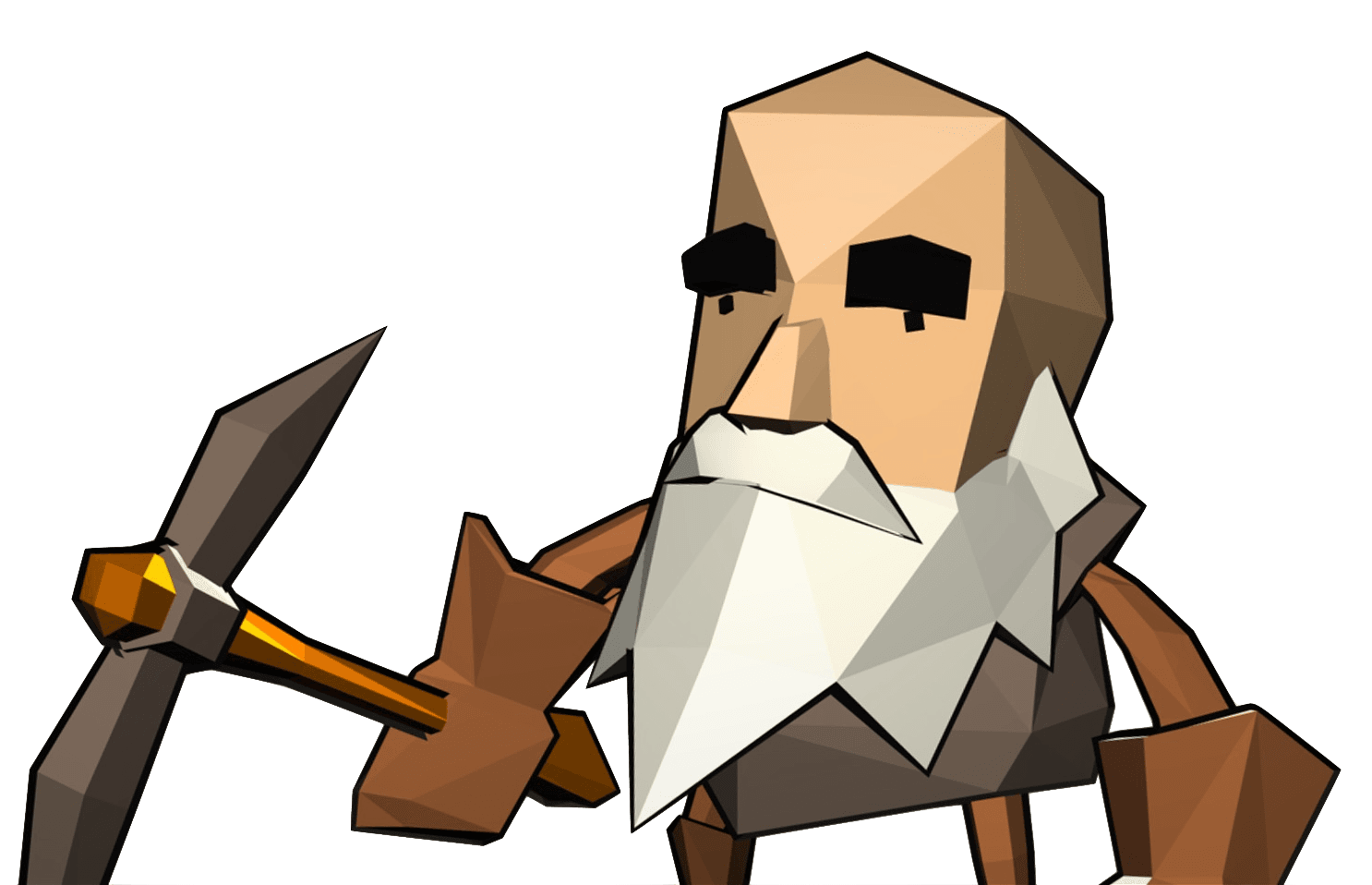
An incremental game repeats one single action from the start, then automation and upgrades take over. In A Dwarf Life, the player taps the goldmine, hires dwarves, then upgrades their boots, pickaxes, glasses and bags, the beds and the digging machines.
A plain formula gave poor results, so we tuned the values by hand in spreadsheets (cost, upgrades, availability, quantity).
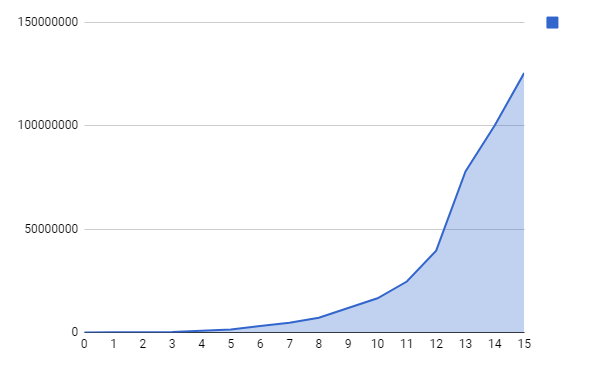
The village is the hub of every dwarf upgrade, so its cost rises quickly. The whole point of testing was to pace new items and abilities so that players never get bored, with both the soft and the hard currency. Each item also needed enough levels for the game to last until new items could be added for early players.
A dwarf walks from the village through the forest to the goldmine, digs, comes back, rests, and starts again. It wears four pieces of equipment:
- boots, to walk faster;
- a bag, to bring back more gold on each trip;
- glasses, to find diamonds more often;
- a pickaxe, required to dig.
Each item had 10 to 15 levels in the first release.
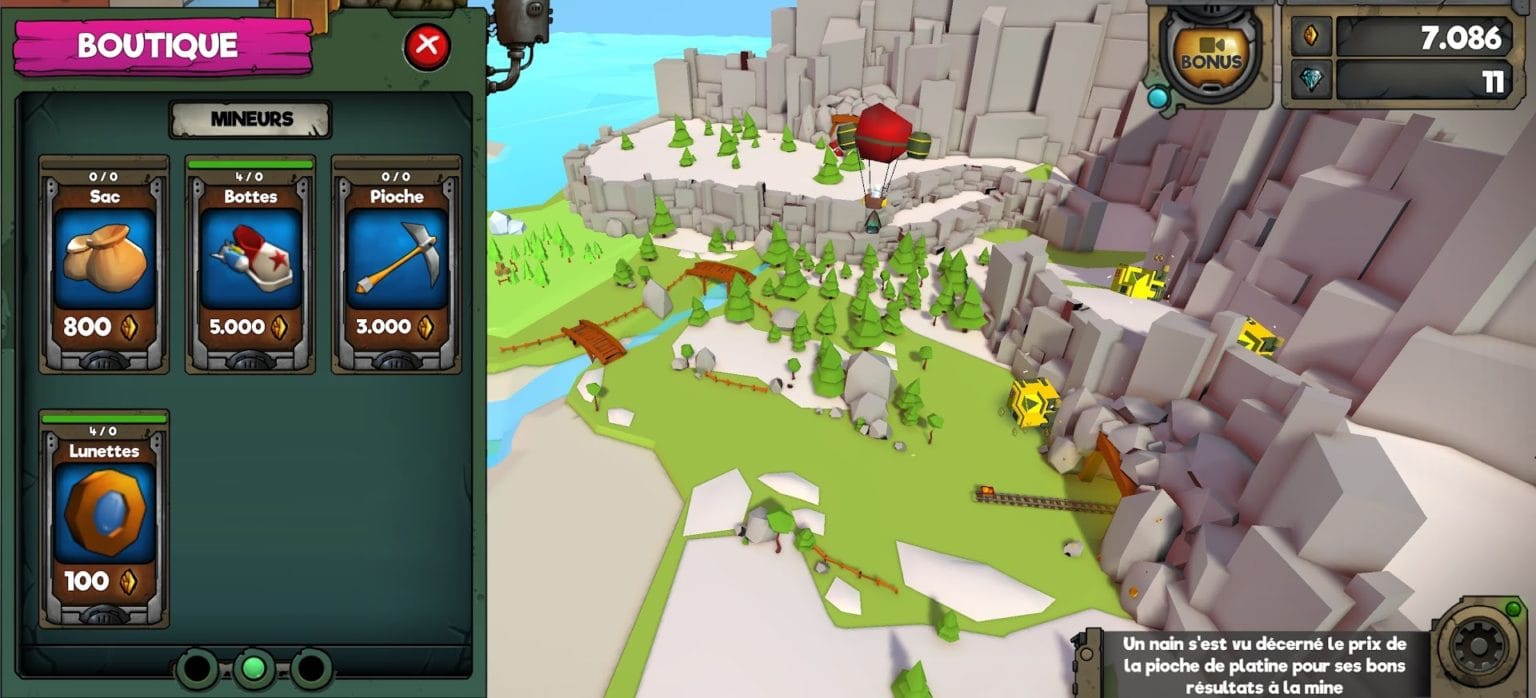
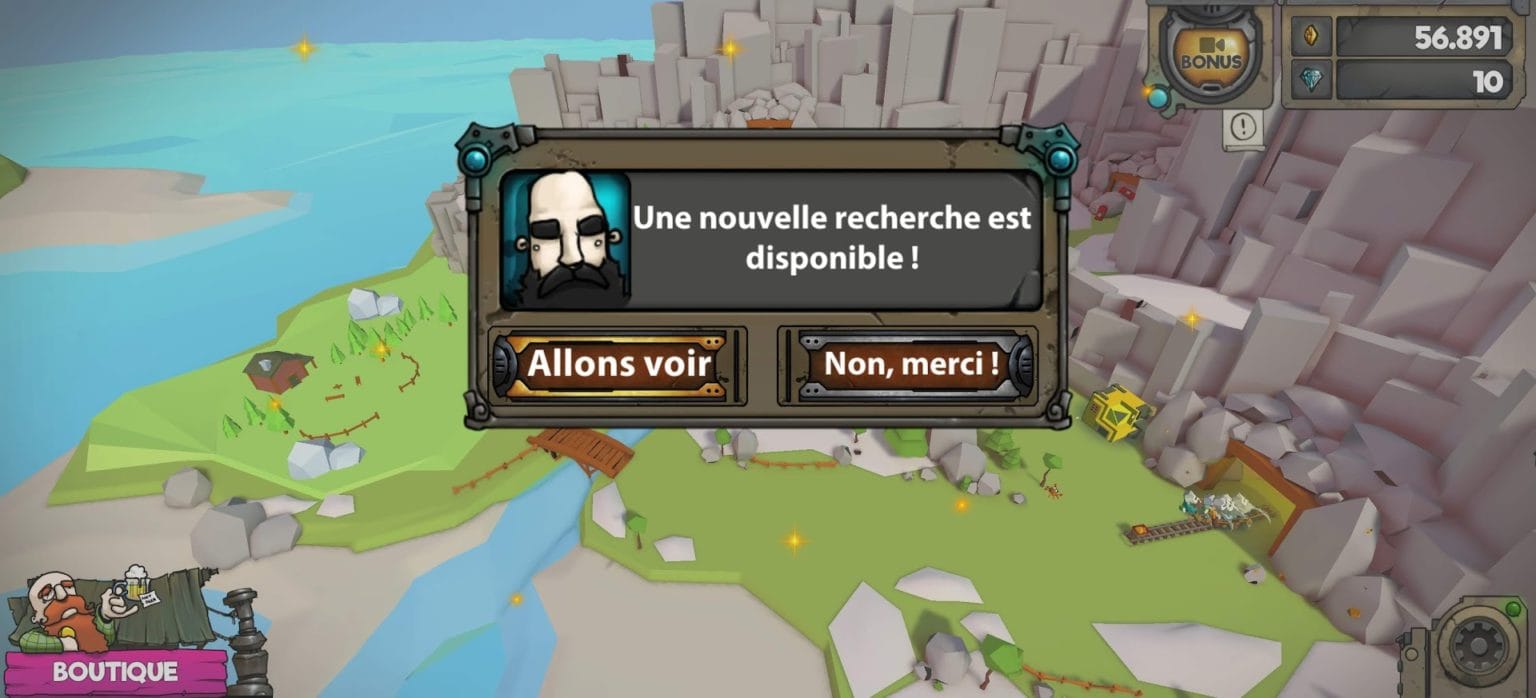
Hiring costs rise with each dwarf, and the number of beds in the village caps how many you can have. The village can be upgraded with better beds and whips, which let the dwarves work while the player is away. Some upgrades require a research project.
Soft and hard
A recent free-to-play game can have up to seven currencies, like Brawl Stars. Between 2015 and 2017, one soft and one hard currency was the norm. The soft currency is easy to earn and pays for most actions and common consumables. The hard currency is rare and pays for premium items or skips slow processes, as in Clash of Clans.
In A Dwarf Life, gold is the soft currency, earned by tapping the mine and by the dwarves. These rates are capped but can be upgraded with gold. Diamonds are the hard currency, found rarely in the mine or bought with real money. They unlock offline mining, premium items and faster gold gains.
Designing a shop
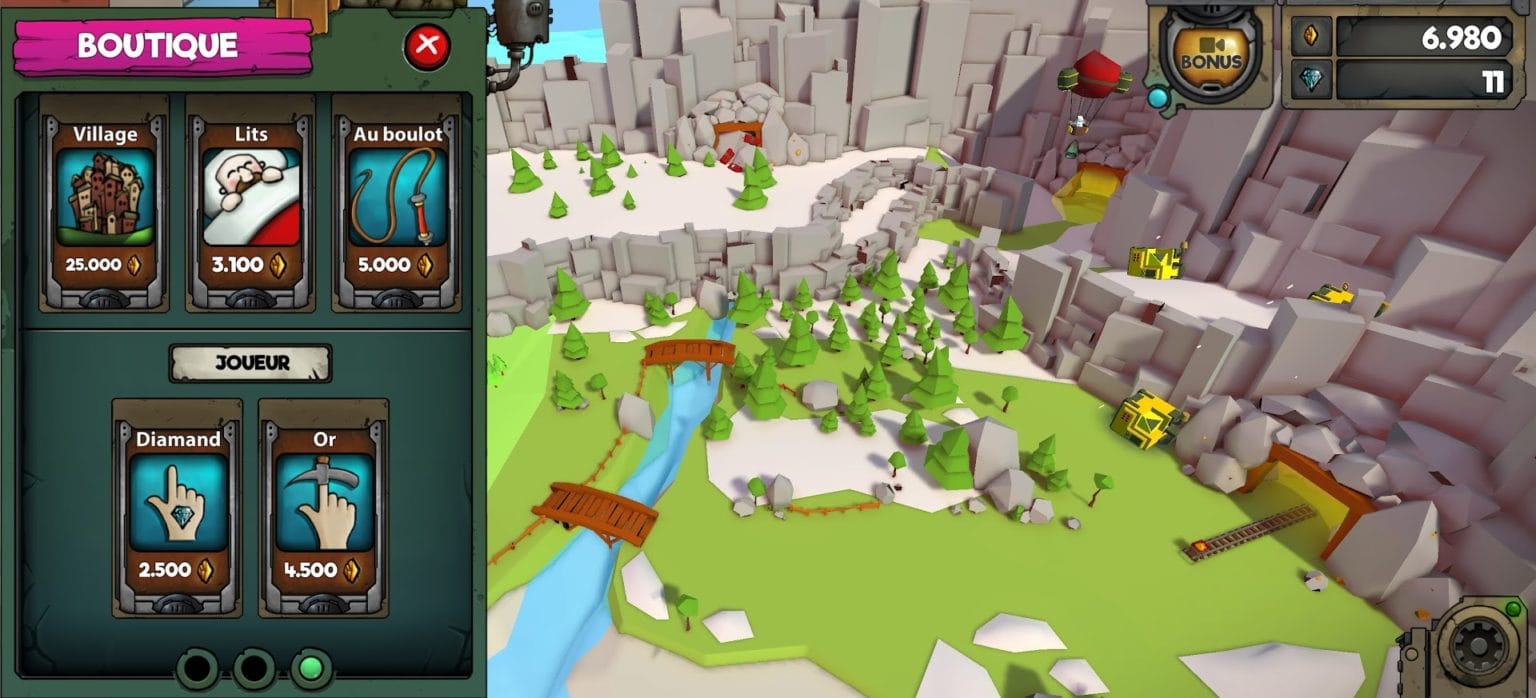
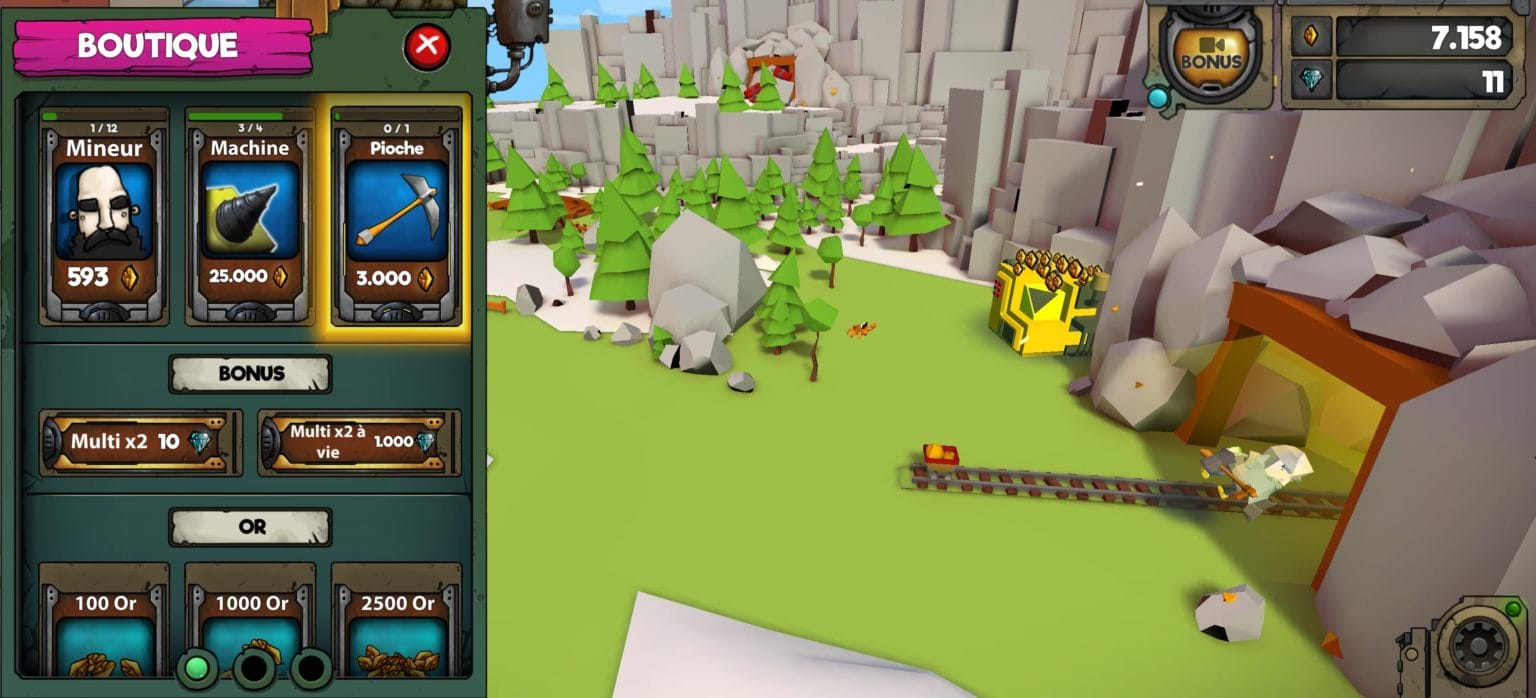
Adding buttons linked to purchases is easy. A shop, though, has to guide the player, handle being offline, animate updates and sort items clearly. It took us three versions, one of them shaped by an outside beta tester’s feedback, to settle on three rules:
- The first page holds an item that changes, to catch the eye: for example a better bed when a dwarf says it needs rest.
- Related items share a page: dwarf items together, village items together.
- Everyday items (gold, diamonds, dwarves) are on the first page.
The dwarves, or a news banner at the top of the screen, suggest items. One tap opens the shop right on the highlighted item.
The right balance
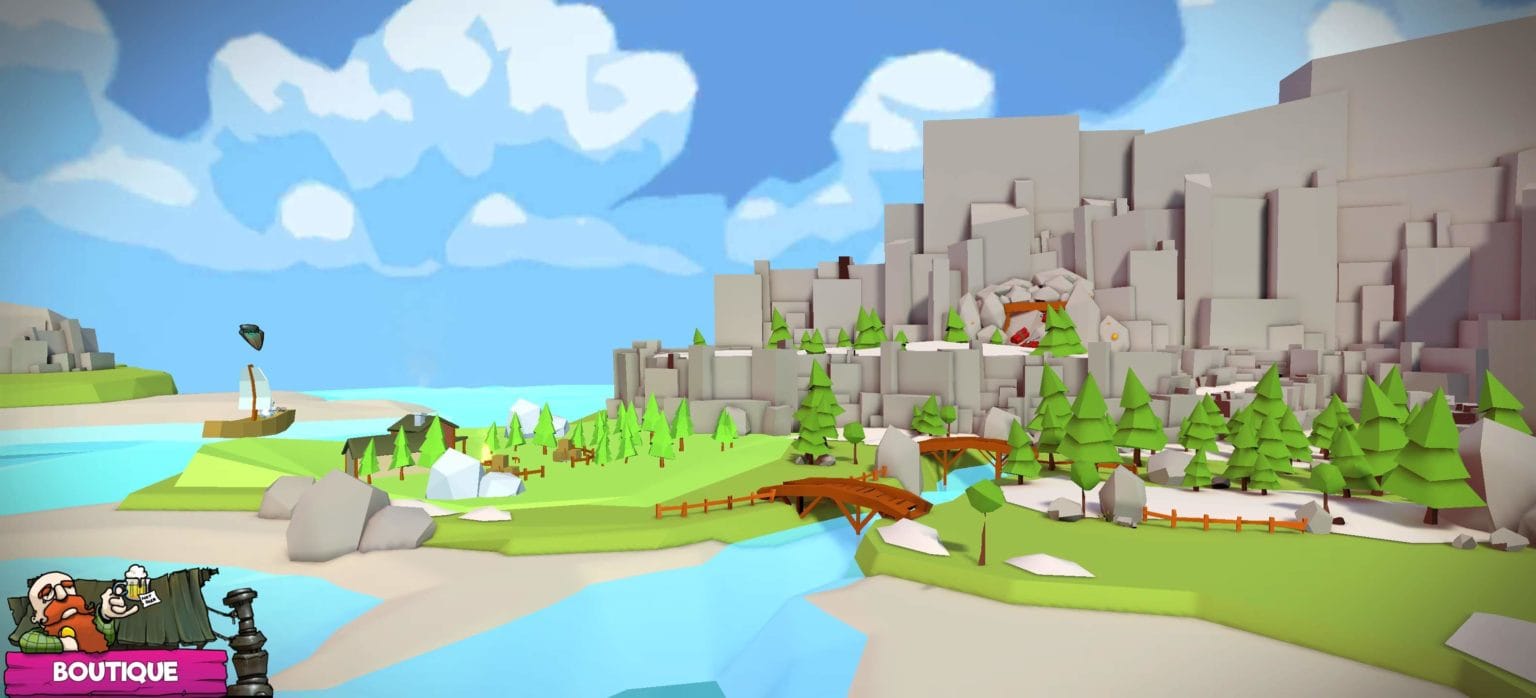
The game opens with a camera flying over a quiet island, home to dwarves, sheep, cows, pigs and crabs. Players swipe between the village and the goldmine on the other side of the island, and can zoom. Tapping a dwarf shows its journey in first person.
Even though it never made money, this game remains a source of pride and a major learning step. The artists, the game designers and the developers all learned a lot from it.